Collection: Tropical & Vector - Borne Diseases
Tropical and vector-borne diseases are illnesses that commonly occur in tropical and subtropical regions, where warm climate and humidity support the breeding of disease-carrying vectors such as mosquitoes, flies, ticks, and fleas. These diseases pose a major public health challenge, especially in developing countries, due to rapid transmission and limited access to early diagnosis and treatment.
Vector-borne diseases are transmitted to humans through the bite of infected vectors. Common examples include Dengue, Malaria, Chikungunya, Zika, Japanese Encephalitis, Lymphatic Filariasis, and Kala-azar (Leishmaniasis). Other tropical diseases such as Typhoid, Cholera, Leptospirosis, and Scrub Typhus are also prevalent in these regions due to poor sanitation, unsafe water, and environmental conditions.
These diseases often present with symptoms such as fever, headache, body pain, fatigue, rash, and in severe cases, bleeding, organ failure, or neurological complications. Early and accurate diagnosis is critical for effective treatment and to prevent complications and outbreaks.


 Sale
Sale
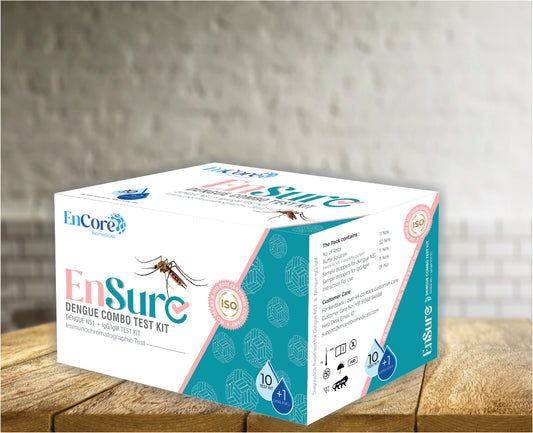 Sale
Sale
 Sale
Sale
 Sale
Sale
 Sale
Sale
 Sold out


